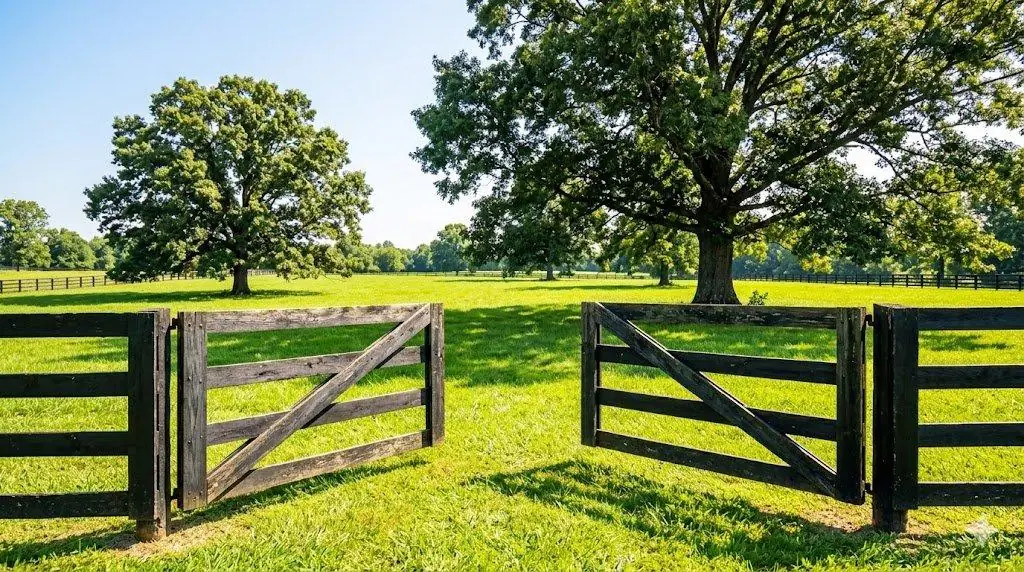
Getting Your Property Ready for Fence Installation Day
Getting Your Property Ready for Fence Installation Day - a guide from Cookeville Fence Co., serving the Upper Cumberland region of Tennessee.
A little prep work before the crew shows up can save hours on install day and help the job go the way you pictured it. Most of what's below takes an afternoon or less, and it applies whether you're putting in a wood fence, a vinyl fence, or something else entirely.
Mark Your Property Lines
If you don't already know exactly where your property lines sit, this is the first thing to sort out. A survey (or your existing plat map) tells the crew where the fence can legally go and keeps you from a dispute with a neighbor down the road. If you're not sure where your corner pins are, a landscape flag or spray paint at each corner you can find is a good start. The crew can help confirm the rest once they're on site.
Call 811 Before Anything Gets Marked
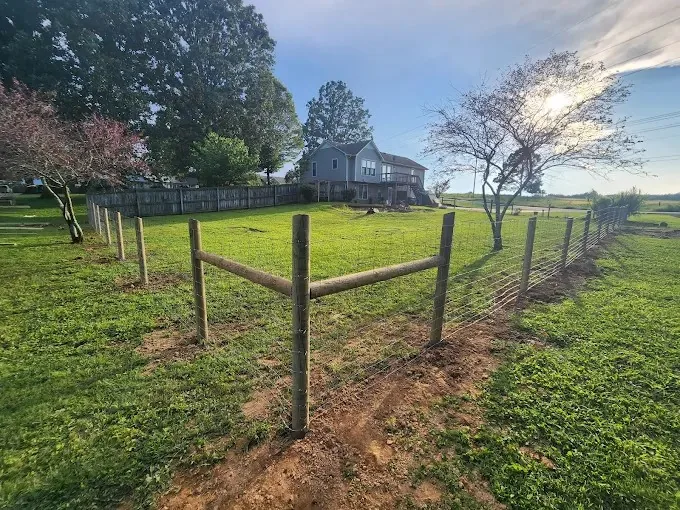
Before any digging happens, underground utility lines need to be located and marked. In most areas this means calling 811 (or submitting a request online) at least a few business days ahead of the install date. This is a free service, it's required by law in most states, and skipping it risks hitting a gas line, water line, or buried cable. Don't assume your installer will always handle this automatically. Ask who is responsible for the 811 request before install day so nothing falls through the cracks. Worth knowing: an 811 locate does not cover a private septic system. See what an 811 locate does not mark on a septic property.
Clear the Fence Line
Walk the entire planned fence line and remove anything that would slow down digging or setting posts: patio furniture, potted plants, garden hoses, kids' toys, firewood stacks, decorative rock, and any debris. If there's brush, overgrown vegetation, or small trees along the line, clear them ahead of time, or ask your installer whether that's part of their scope. That keeps the crew focused on fence work instead of yard work.
Deal With Existing Fencing
If there's an old fence coming out, find out ahead of time whether removal and haul-away is included in your quote or if it's a separate cost. Some installers will tear out and dispose of the old fence as part of the job. Others expect the property to be clear before they arrive. Get this in writing so there's no surprise on install day.
Account for Slopes and Uneven Ground
Grade changes affect how a fence is built, especially with panel-style materials. Racked (stepped or angled) panels handle slopes differently than a fence built on flat ground. Talk through your yard's terrain with your installer before the crew arrives so everyone's working from the same expectations.
Contain Pets and Kids During the Work
Installation involves open trenches, power tools, exposed post holes, and a crew moving in and out of the yard all day. Keep pets indoors or in a separate fenced area, and make sure kids know to stay clear of the work zone. This is as much about the crew's safety as your family's. Nobody wants to lose a dog through the gate that hasn't gone in yet.
Confirm Gate Locations and Access Needs
Think through how you actually use the yard: where you need a walk gate, whether you'll need a wider drive-through gate for a mower or trailer, and where the crew should stage materials and equipment during the job. Settle this before install day, not mid-project, and you'll save on rework. If a gate is part of your project, our gate installation and repair page covers what's usually involved.
Ask About Permits and HOA Approval
Depending on where you live, a fence permit may be required. If you're in a neighborhood with an HOA, there may be a separate approval process on top of that. Sort this out before the crew arrives, not after. A reputable installer can tell you what's typically required in your area, but the property owner is usually the one responsible for pulling any permit or getting HOA sign-off.
Have a Payment and Timeline Conversation Up Front
Confirm what's included in your quote, what happens if weather pushes the schedule, and what the payment schedule looks like before work starts. Costs vary a lot depending on material, fence length, terrain, and gate count. If you haven't already, read through general fence cost factors so you know what questions to ask.
When You're Ready
Good prep on the front end means less downtime for the crew and a smoother result for you. If you're weighing materials, comparing installation options, or just want someone to walk the property with you before committing to a plan, reach out for a free estimate and we'll help you figure out what's next.
Request a Free Estimate
Fill this out and we'll get back to you, or call or text (931) 651-8856.