Wood Privacy Fence Installation in Cookeville, TN
Wood Fencing installation across the Upper Cumberland region of Tennessee. Free estimates, honest quotes.
Wood is the fence material most people picture first, and for good reason. It fits the Upper Cumberland's mix of farms, wooded lots, and traditional-style homes naturally. Whether you're enclosing a backyard, marking a property line, or fencing off pasture, wood gives you a straightforward, familiar look that works almost anywhere in the region.
What Wood Fencing Is
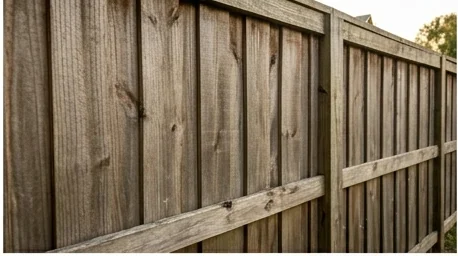
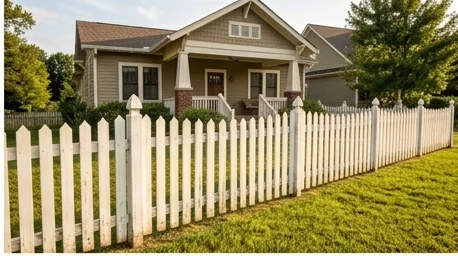
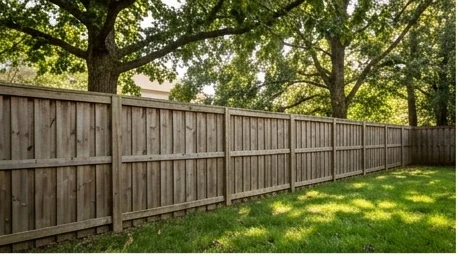
Wood fencing covers a range of styles built from the same basic material. Dimensional lumber, usually pressure-treated pine or a rot-resistant species, gets set on posts and framed with horizontal rails. Common styles include privacy fencing (solid boards set edge to edge), board-on-board (boards overlapped for privacy with airflow), picket fencing (spaced boards, usually shorter, for a decorative front-yard look), and post-and-rail styles for open boundary lines. The right style depends on whether you need privacy, containment, curb appeal, or some mix of the three.
| Style | Board layout | Privacy level | Typical use here |
|---|---|---|---|
| Privacy | Solid boards set edge to edge | Full | Blocking sightlines from neighbors or the street, pool and yard enclosures |
| Board-on-board | Boards overlapped | Full, with airflow | Backyard privacy where wind passage matters |
| Picket | Spaced boards, usually shorter | Decorative, open | Front yards, especially older or historic-style homes |
| Post-and-rail | Horizontal rails on posts | Open boundary only | Marking property lines on rural and semi-rural land |
How Wood Performs in This Region's Climate
The Upper Cumberland sees hot, humid summers, cold winters, and periodic ice. Wood handles this mix reasonably well, but it comes with tradeoffs you should understand before you commit to it.
Pressure-treated lumber resists rot and insect damage far better than untreated wood, and that matters in a climate with real summer humidity. Humidity and repeated wet-dry cycles are the main long-term stressors on any wood fence here, more so than the cold itself. A fence that's properly treated, and ideally sealed or stained on a regular schedule, holds up much better over time than one left to weather on its own.
Winter cold generally isn't a major problem for wood fencing, but ice buildup on horizontal rails and gate hardware can add stress to a structure, especially on fences that are already older or loosely fastened. Ground movement from freeze-thaw cycles can also work posts loose over time. That's one reason post depth and concrete setting matter as much as the lumber grade.
One more regional factor: much of the Upper Cumberland sits on the Cumberland Plateau, where subsoil tends to be rocky and cherty rather than the deeper, softer soil found in some other parts of Middle Tennessee. That affects post-hole digging more than it affects the fence material itself. It's why we plan post placement and depth carefully before installation starts.
Typical Use Cases
- Backyard privacy. Solid or board-on-board wood fencing is a common choice for homeowners who want to block sightlines from neighbors or the street.
- Pool and yard enclosures. Wood privacy fencing often encloses a pool area or defines a yard boundary.
- Decorative front-yard fencing. Picket-style wood fencing is a traditional look for front yards, especially on older or historic-style homes.
- Pasture and property-line fencing. Post-and-rail wood fencing is a common, economical option for marking boundaries on rural and semi-rural properties, though it's not always the strongest choice for containing livestock (see our split rail and farm fencing page for options built specifically for that job).
Things to Consider Before You Choose Wood
Wood needs more upkeep than synthetic materials like vinyl. Staining or sealing every few years extends its life significantly, and you should plan for that as an ongoing cost, not a one-time task. If you want a lower-maintenance alternative that still gives a clean, finished look, our vinyl fencing page covers a material with a different maintenance profile. Some communities and historic districts in the region have design review processes for exterior changes, including fencing, and some HOAs restrict fence types or materials outright. If your property is in one of these, check with your HOA or local planning department before installing any new fence.
Get an Estimate
We install wood fencing throughout the Upper Cumberland region, including Cookeville, Crossville, and McMinnville. For a full look at what our installation process covers, visit our fence installation services page. If you're weighing wood against other materials, our fence cost guide can help you compare. Ready to talk through your project? Contact us for a free estimate.
Related guides: cedar vs. pressure-treated pine, how humidity affects wood fences, what a fence warranty typically covers.
Sharing a property line with a neighbor and want the fence to look the same from both yards? See our board-on-board shadowbox fencing page.
Request a Free Estimate
Fill this out and we'll get back to you, or call or text (931) 651-8856.
Wood Fence Styles We Install